Essential Auto Repair Tips: Keep Your Vehicle Running Smoothly and Safely
Preserving a vehicle is vital for safety and efficiency. Regular checks and basic repairs can avoid expensive breakdowns. Appreciating the significance of routine maintenance can improve a car's overall longevity. Straightforward DIY solutions often prove adequate for minor concerns. However, recognizing when to seek professional assistance is equally important. Reviewing these key auto repair guidelines highlights techniques that can substantially benefit a driver's overall driving experience. What could a driver learn about their own car?
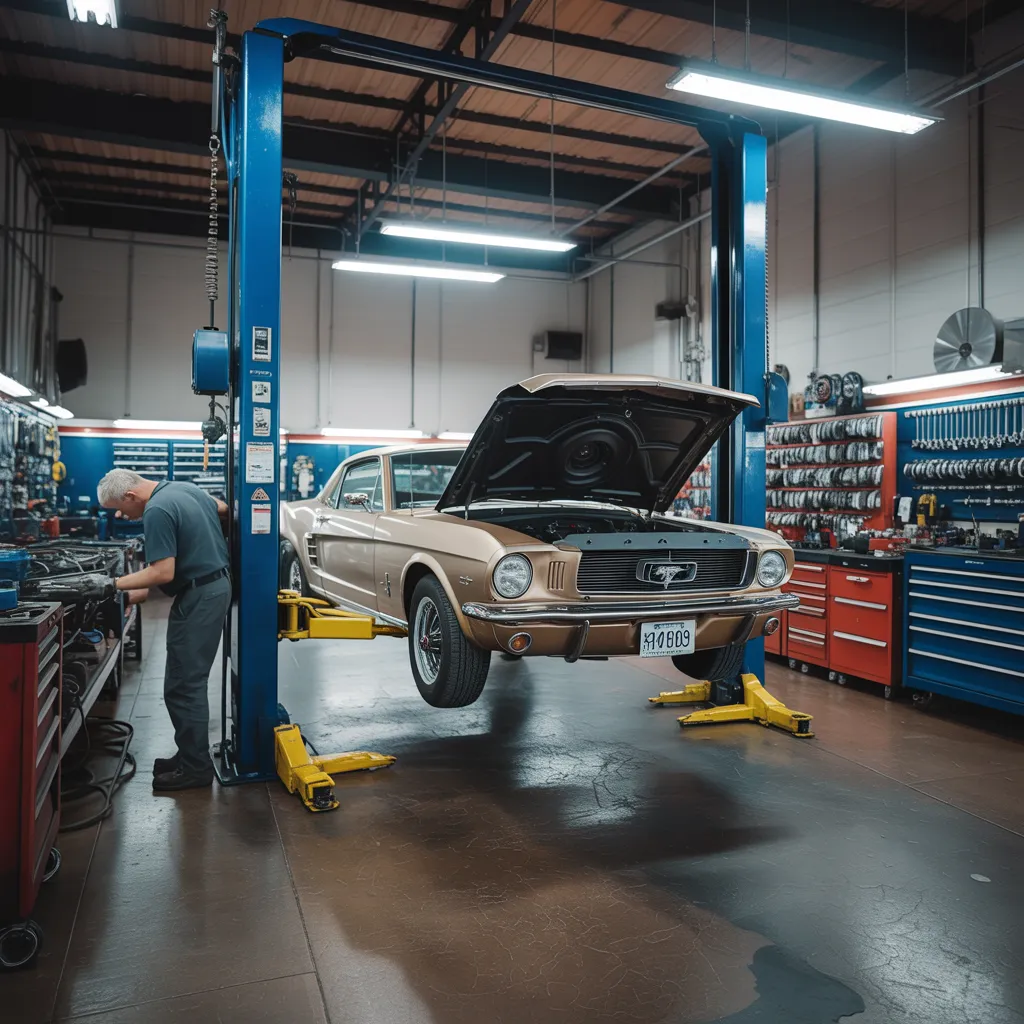
Begin With Fundamental Routine Vehicle Inspections
When caring for a vehicle, performing key routine inspections can keep minor concerns from developing into costly repairs. Regular inspections of fluid levels, such as oil, coolant, and brake fluid, guarantee that the engine operates efficiently and safely. Tire pressure must be inspected on a consistent basis; tires with insufficient pressure can result in reduced fuel efficiency and hazardous driving conditions. Additionally, examining the condition of the battery and its connections can help avoid unexpected breakdowns.
The wiper blades and lights should also be routinely assessed for functionality, as clear visibility is critical for driving safely. An equally important check concerns the brakes; any strange noises or behaviors should be addressed immediately. In addition, tracking the vehicle's wheel alignment prevents irregular tire wear and improves overall handling. By focusing on these regular maintenance checks, vehicle owners can preserve top performance and extend the longevity of their automobiles.
Simple DIY Fixes for Common Car Problems
A lot of automobile owners experience typical challenges that can be easily addressed with basic do-it-yourself solutions. To illustrate, a dead battery can frequently be restored with a quick jump start, while old wiper blades can be swapped out quickly, enhancing visibility in rainy conditions.
Another common issue is flat tires, which can be addressed with a tire replacement or a tire repair kit. Furthermore, changing engine oil and filters regularly can boost engine efficiency and durability.
A malfunctioning headlight can often be fixed by swapping out the bulb, a task requiring minimal tools.
Lastly, squeaky brakes often point to worn brake pads, which can be swapped out at home as well.
Such basic maintenance tasks not only save money but also empower car owners to manage their vehicles with confidence. By resolving these typical concerns without delay, they can guarantee their cars remain in peak condition, boosting both performance and trustworthiness.
Recognize Typical Warning Signs of Car Problems
What are the best ways for car owners to detect potential problems before they worsen? By paying attention to common warning signs that indicate trouble. Odd sounds, including grinding or squeaking, can be a sign of trouble with brakes or related components. Moreover, indicator lights on the dashboard, including the check engine light, must never be overlooked; they commonly signal specific concerns that demand immediate action.
Moreover, changes in temperature readings can indicate overheating, while variations in the car's steering or braking response may suggest wheel alignment or braking concerns. Mysterious fluid leaks, whether oil, coolant, or transmission fluid, are also red flags. Additionally, identifying declining fuel efficiency can suggest exhaust or engine problems. Through early identification of these symptoms, drivers can address potential problems, ensuring their vehicles remain safe and reliable.
When to Get Professional Assistance
Knowing when to consult a professional is crucial for keeping your vehicle in top condition. Dashboard warning lights and strange sounds or vibrations often signal underlying issues that demand skilled diagnosis. Disregarding these warnings can lead to more serious complications and costly repairs down the line.
Warning Light Signals
When should a driver take warning light indicators seriously? The warning lights found on a vehicle's dashboard function as vital notifications about underlying concerns. Vehicle operators should view warning indicators including the check engine light, oil pressure warning, and battery alert as immediate causes for concern. Overlooking such warning signs can contribute to more serious vehicle damage and higher repair costs. Should a warning light come on, referring to the owner's manual for detailed instructions is recommended. Ongoing warning lights, particularly those paired with abnormal symptoms like stalling or overheating, require evaluation by a professional. Taking prompt action can stop small concerns from developing into major complications, keeping the vehicle safe and dependable while driving. Consistent monitoring and quick responses to these indicators play a key role in preserving the long-term health of a vehicle.
Abnormal Noises or Vibrations
What steps should a driver take when noticing unusual sounds or vibrations coming from their vehicle? Prompt attention is essential, as these signs frequently point to underlying problems. Drivers should begin by identifying the nature of the noise—whether it's a grinding, squealing, or thumping sound—as this can assist in locating the issue. Next, they should determine if the vibrations correlate with specific speeds or conditions, such as braking or accelerating. When the noises or vibrations do not subside, it is recommended to contact an experienced mechanic. Prompt action can help avoid additional damage and ensure vehicle safety. Overlooking these warning signs may cause costly repairs or, in the worst case, endanger vehicle safety. Adopting a proactive approach is crucial for sustaining the vehicle's efficiency and durability.
Vehicle Repair Tips: Why Scheduled Maintenance Is Critical
Regular maintenance is essential for vehicle performance and safety. By following a structured maintenance schedule, drivers can prevent costly repairs, enhance the longevity of their vehicles, and maintain compliance with safety requirements. Overlooking these practices may cause unforeseen issues that jeopardize both the dependability of the vehicle and the well-being of its passengers.
Stop Costly Repairs
Servicing a vehicle regularly can significantly lower the chance of expensive fixes down the road. Scheduled inspections and service tasks, such as oil changes, brake checks, and tire rotations, catch problems before they worsen. Ignoring warning lights or unusual sounds can lead to significant damage, creating a need for pricey repairs. Additionally, sticking to the manufacturer's service intervals guarantees that critical components remain in peak condition. Keeping fluids topped off, such as coolant and transmission fluid, can reduce the risk of overheating and component failures. Easy routines like inspecting tire pressure can improve gas mileage and prolong tire longevity. Overall, investing time and resources in routine maintenance functions as a forward-thinking approach, reducing costs while enhancing long-term vehicle performance.
Boost Vehicle Longevity
Committing to regular upkeep is vital for extending vehicle longevity. Regular oil changes, fluid checks, and tire rotations help ensure that critical components function at their best. Failing to address these needs can cause premature wear and tear, resulting in costly repairs down the line. Moreover, keeping tire pressure and alignment in check promotes improved fuel economy and vehicle performance, which additionally prolongs the vehicle's lifespan. Keeping track of battery health and timely replacing deteriorated parts can help avoid sudden breakdowns. Routine inspections facilitate the early detection of potential issues, allowing owners to handle problems before they become serious. By making routine servicing a priority, car owners can benefit from a more dependable, comfortable ride while protecting their investment.
Ensure Safety Standards
Maintaining safety standards in vehicle operation requires consistent attention to maintenance practices. Routine inspections of vital components, including brakes, tires, and lights, are essential for avoiding accidents and ensuring optimal performance. Automotive professionals suggest sticking to the manufacturer's maintenance schedule, which frequently involves critical checks and fluid replacements that enhance overall safety. In addition, monitoring warning lights and addressing issues promptly can mitigate larger, costly repairs. Tire pressure and tread depth should be routinely checked to enhance handling and stability. Furthermore, properly maintaining windshield wipers and fluid levels secures clear visibility during difficult weather conditions. By prioritizing these maintenance tasks, vehicle owners can greatly reduce risks and promote a safer driving experience for act now themselves and others on the road.
Money-Saving Vehicle Upkeep Tips
A large number of automobile owners search for methods to reduce expenses while ensuring their cars remain in excellent condition. Regular maintenance can be budget-friendly and effective. One essential tip is to perform oil changes at recommended intervals, because choosing the appropriate oil can boost engine effectiveness. Furthermore, inspecting tire pressure on a monthly basis not only boosts fuel efficiency but also prolongs tire longevity.
Car owners can also save by swapping out air filters without professional help, which is a straightforward task that boosts engine efficiency. Routinely checking and cleaning the battery terminals can help avoid expensive replacements.
Using internet resources for do-it-yourself repair and maintenance guides enables owners to handle minor issues without expert assistance. Moreover, participating in local car clubs or online forums can supply useful guidance and discounts on components. By implementing these cost-effective practices, vehicle owners can maintain their cars efficiently while minimizing expenses.
Frequently Asked Questions
How Frequently Should I Rotate My Tires?
It is typically advised to rotate tires every 5,000 to 7,500 miles, according to the vehicle model and tire variety. Routine rotation encourages uniform wear, improves traction, and prolongs tire life, which benefits overall vehicle safety and performance.
What Are the Perks of Using Synthetic Oil?
Switching to synthetic oil boosts engine performance, offers better lubrication, reduces wear, and enhances fuel economy. It further endures extreme temperatures and delivers superior protection against engine sludge deposits, consequently increasing engine longevity and lowering maintenance expenses.
Can You Combine Different Brands of Motor Oil?
Combining various motor oil brands is typically fine, as long as they have matching viscosity and specifications. Nevertheless, it is recommended to refrain from combining synthetic and conventional oil types to ensure optimal engine performance.
How Do I Know if My Battery Needs Replacement?
A vehicle battery could need to be replaced if the car struggles to start, exhibits faded headlights, or shows a dashboard warning light. Additionally, a visual inspection for swelling or corrosion can suggest reduced battery performance.
What Should I Do When My Check Engine Light Comes On?
When the check engine light turns on, one should first check for loose gas caps, followed by using an OBD-II scanner to pinpoint error codes. If issues persist, it is wise to consult an experienced mechanic for a comprehensive evaluation.